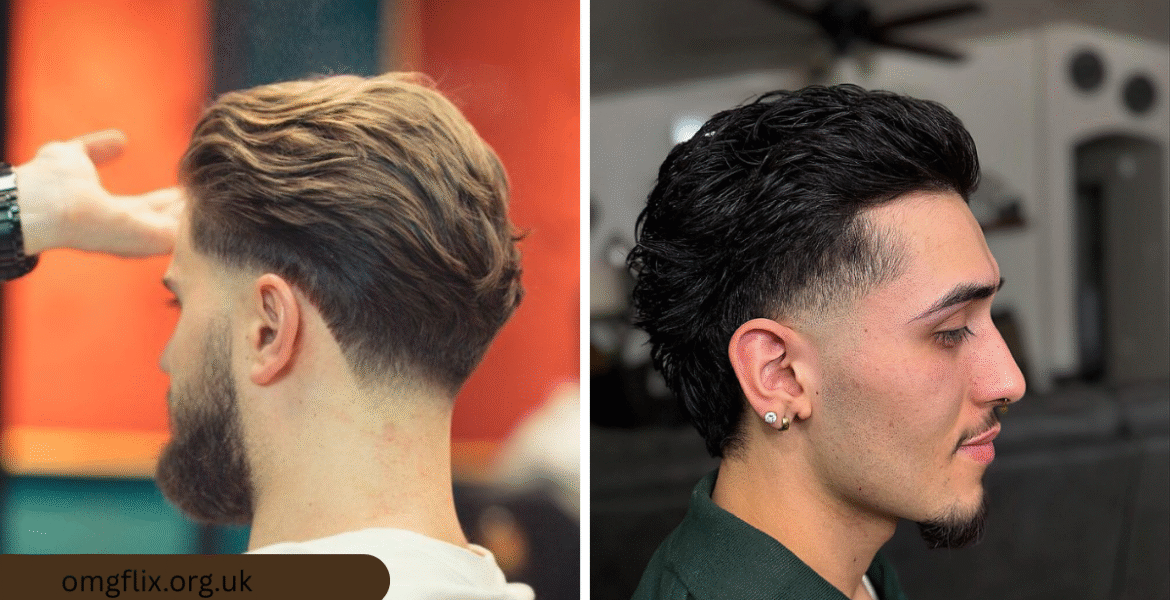
Imagine a hairstyle that perfectly bridges the gap between classic barbershop precision and free-flowing, artistic expression. That’s the magic of the low taper fade long hair combination. It’s a masterclass in contrast, where the sharp, clean lines of a meticulously faded taper meet the boundless versatility of lengthy locks on top. This isn’t just a haircut; it’s a strategic style statement. It offers the neat, groomed appearance that professional environments often appreciate, while the long hair on top provides a canvas for personal creativity, from sleek man buns to textured waves. This comprehensive guide is your ultimate resource, diving deep into the history, execution, maintenance, and styling of this iconic look. Whether you’re a first-timer considering the plunge or a long-haired veteran looking to refine your style, understanding the nuances of the low taper fade long hair aesthetic will empower you to collaborate with your barber and achieve a look that’s uniquely and confidently yours.
The Anatomy of a Perfect Low Taper Fade with Long Hair
Understanding the specific components of this style is the first step to achieving it. A low taper fade long hair cut is defined by two distinct zones: the faded sides and back, and the long hair on the crown. The “low taper fade” means the actual fading effect begins just above the ear lobes and around the nape of the neck, creating a very gradual transition from skin to hair. This preserves more hair on the sides compared to mid or high fades, resulting in a subtler, more conservative blend that beautifully frames the longer hair above. It’s a foundational technique that emphasizes shape without being overly dramatic.
The “long hair” element is equally critical. This isn’t merely untrimmed growth; it’s a considered length left on the top and crown, often several inches long. This length is the style’s expressive counterpart to the faded foundation. The contrast between the two areas is the style’s core principle—the sharp, clean gradient below accentuates the volume, texture, and movement of the hair above. This anatomy allows for immense versatility, as the long top can be styled in countless ways while the fade ensures the overall look remains polished and intentional.
The Historical Roots and Modern Resurgence
The story of the fade haircut is deeply rooted in military grooming standards, where clean lines and neat appearances were paramount. Over decades, this practical cut was adopted and transformed by various subcultures, from the hip-hop scene of the 80s and 90s to the athletic world. The integration of long hair on top, however, is a more recent evolution, a direct product of the modern barbering renaissance. As men’s grooming exploded in the 2010s, barbers began blending traditional short-back-and-sides techniques with contemporary texture and length, giving rise to styles like the undercut and, ultimately, the more refined low taper fade long hair look.
Today’s version is a testament to personalized style. It answers a growing demand for hairstyles that are both manageable and expressive. The low taper fade long hair combination respects professional norms with its clean neckline and sides while granting total freedom for individuality up top. It has been popularized by athletes, musicians, and actors, making it a mainstream yet distinctly fashion-forward choice. This modern resurgence isn’t a fleeting trend; it’s the maturation of barbering into a form of tailored personal aesthetics.
Finding Your Ideal Length and Texture Match
Not all long hair is created equal, and matching your natural texture to the low taper fade long hair blueprint is key to a low-maintenance, great-looking result. For men with straight or slightly wavy hair, the style offers a sleek, manageable canvas. The weight of the hair helps it fall naturally, allowing for styles like deep side parts, slick backs, or polished ponytails. The contrast with the fade is stark and clean, creating a very defined, graphic appearance. The goal here is often to showcase shine and smoothness, with the fade acting as a sharp frame.
For those with curly, coily, or thick textured hair, the low taper fade long hair look becomes a celebration of volume and shape. The fade helps to reduce bulk and heat around the ears and neck, providing much-needed relief and definition. The long hair on top can be shaped into afros, twist-outs, or defined curls, creating a magnificent crown of texture. The barber’s role is crucial in shaping the top to harmonize with the fade, often using layering techniques to manage volume. The result is a dynamic, powerful silhouette that balances controlled precision with natural, joyful texture.
The Barber Consultation: Communicating Your Vision
Walking into the barbershop with a clear plan is non-negotiable. The success of your low taper fade long hair style hinges on a collaborative conversation with your barber. Start by showing clear photographic references from multiple angles. Use precise language: specify you want a “low taper fade,” noting where you want the fade to start. Discuss the guard lengths for your fade (e.g., “skin to a #2”) and be clear about the neckline shape—blocked, rounded, or natural. This clarity prevents misunderstandings and sets a technical baseline.
Then, shift focus to the long hair on top. This is where you discuss length, weight, and texture. Don’t just say “leave it long.” Specify if you want it trimmed for health, shaped for a particular style, or textured for volume. Explain your daily routine. Do you air-dry? Use a blow dryer? Prefer pomade or sea salt spray? A great barber will tailor the cut to your lifestyle and styling habits. As celebrity barber John Doe states, “A low taper fade with long hair isn’t a template; it’s a blueprint. My job is to adapt the architecture to the individual’s hair texture, face shape, and personal style. The consultation is where we lay that foundation.”
The Precision of the Fade: Techniques and Tools
The fade itself is the technical heart of the cut, demanding skill and the right tools. A barber typically begins by creating a baseline with clippers, establishing the lowest point where the hair will be faded to the skin. Using a combination of clippers, trimmers, and foil shavers, they then work upward, using progressively longer guard lengths to create a seamless gradient. The “low” placement means this blending occurs over a smaller vertical area, requiring a deft hand to avoid harsh lines. The goal is an ombre-like transition that looks effortless, not striped.
Attention to detail separates a good fade from a great one. This includes detailing around the ears, cleaning up the sideburns, and crafting a crisp neckline. Barbers often use trimmers for this precision work, ensuring sharp, clean boundaries that define the style. The health of the hair is also considered; a proper fade is performed on clean, dry hair to ensure accuracy. The entire process is a testament to the barber’s artistry, transforming a technical skill into a foundational element of personal style, especially when paired with long hair.
Shaping and Styling the Long Hair on Top
Once the fade is sculpted, the focus moves to the crown. Shaping long hair for a low taper fade long hair style is about creating balance and intention. The barber will likely cut the top while dry, allowing them to see how the hair naturally falls and moves. They may point-cut the ends to remove weight and add texture, or use layering to build volume and shape that complements your face. The connection point between the long top and the faded sides is critical; it should be a smooth transition, not an abrupt cliff.
This shaping directly enables your daily styling. Whether you aim for a voluminous quiff, a sleek back, or loose, textured curls, the cut provides the architecture. The length and layers determine how well the hair will hold a style, accept product, and maintain its shape throughout the day. A well-executed shape reduces styling time and product use, making the low taper fade long hair not just a stylish look, but a practical one. It’s the preparation of the canvas before the paint is applied.
Daily Maintenance and Styling Routine
A great cut deserves a great routine. Maintaining a low taper fade long hair style is surprisingly straightforward. For the fade, a daily pass with a quality body wash or mild soap in the shower is enough to keep the skin clean. Moisturizing the skin on the faded areas with a light, non-greasy lotion prevents dryness and razor bumps. The long hair on top follows standard grooming: use a sulfate-free shampoo and a hydrating conditioner suited to your hair type two to three times a week to maintain health and manageability.
Styling is where the fun begins. For a natural look, apply a light leave-in conditioner or texturizing spray to damp hair and let it air dry. For more control and polish, use a blow dryer with a concentrator nozzle to direct hair, following with a pre-styler like a mousse or blow-dry cream. Finish with your product of choice—a clay for matte texture and separation, a pomade for shine and hold, or a light wax for definition. The key is to start with a small amount; you can always add more. This routine keeps your low taper fade long hair looking intentional every day.
Product Guide: From Texture to Hold
Choosing the right product is essential for realizing your desired finish. For men seeking a natural, textured, or matte finish, products like clays, fiber pastes, and sea salt sprays are ideal. They provide medium hold while enhancing the hair’s natural pattern and creating separation without shine. These are perfect for a lived-in, modern look where movement is desired. They work exceptionally well in wavy or curly hair to define and control without stiffness.
If a sleek, polished, or classic look is your goal, you’ll lean toward products that offer shine and stronger hold. Traditional pomades (oil-based for high shine, water-based for easier wash-out) and strong-hold gels are the tools here. They are designed to slick hair back, tame flyaways, and create a defined, glossy silhouette. For a versatile middle ground, styling creams and waxes offer light to medium hold with a natural finish, ideal for casual, piecey styles. Your choice should align with both your hair type and the specific statement you want your low taper fade long hair to make.
Common Misconceptions and Pitfalls to Avoid
One major misconception is that a low taper fade long hair style is a “set it and forget it” cut. In reality, the long hair requires consistent care—trimming split ends, regular conditioning, and protective styles at night. Another myth is that it suits every face shape identically. While versatile, the proportions may need adjusting; a barber can tailor the fade’s height and the top’s volume to flatter your specific bone structure. Ignoring these nuances can lead to a style that wears you, rather than you wearing the style.
A common pitfall is poor communication, leading to a fade that’s too high or a top that’s cut too short. Another is neglecting the neckline between cuts, allowing untidy growth to ruin the sharp silhouette. Perhaps the biggest mistake is using the wrong heavy products on the long hair, weighing it down and making the contrast with the fade appear sloppy instead of sharp. Avoiding these pitfalls involves partnership with your barber and a commitment to simple, consistent upkeep.
The Evolution of Your Style: Growth and Adaptations
A significant advantage of the low taper fade long hair approach is its built-in flexibility. As the hair on top grows, the style can evolve seamlessly. What begins as a long disconnected look can grow into a style where the length begins to blend over the fade, creating a softer, more connected appearance. You can experiment with different partings, try a man bun or half-up styles, or even begin to push the hair forward for a fringe effect. The fade can be maintained regularly, providing a constant foundation for a changing top.
This evolution allows the style to adapt to seasons, trends, and personal changes. You may opt for a tighter, sharper fade in summer for a cooler feel, and let the top grow even longer in winter. The basic framework remains, but its expression is fluid. This long-term adaptability makes the low taper fade long hair a strategic investment, offering a consistent “brand” for your appearance that still has room for creative exploration and change over months and years.
A Comparison of Fade Types for Long Hair
Choosing the right fade is crucial. The placement drastically changes the style’s impact. Below is a breakdown to help visualize the key differences.
| Fade Type | Starting Point & Visual Impact | Best For / Personality | Maintenance Frequency |
| Low Taper Fade | Begins just above earlobes. Subtle, gradual transition. Conservative, sophisticated. | Professional settings, first-time fade wearers, those wanting emphasis on the long top. | Every 3-4 weeks. |
| Mid Taper Fade | Begins at the temple area. More noticeable contrast, balanced visual weight. | A versatile, modern look that boldly showcases both the fade and the long hair. | Every 2-3 weeks. |
| High Taper Fade | Begins near the parietal ridge (top of the head). Dramatic, bold contrast, maximizes volume on top. | Making a strong style statement, very thick hair, or a desire for an edgy, fashion-forward look. | Every 1-2 weeks. |
| Skin Fade | Blends down to bare skin at the bottom. Can be low, mid, or high. Sharp, ultra-clean, high-contrast. | A super sharp, defined look. Requires confidence and more frequent barber visits. | Every 1-2 weeks. |
| Drop Fade | The fade line curves downward behind the ear. Adds a unique, dramatic curvature to the silhouette. | Those seeking a distinctive, custom look that stands out from standard fade patterns. | Every 2-3 weeks. |
Conclusion: Embracing a Style of Confident Contrast
The low taper fade long hair style is more than the sum of its parts. It represents a modern philosophy in men’s grooming: the marriage of discipline and freedom, tradition and individuality. It’s a look that commands attention through its intelligent contrast, offering a polished foundation that allows for boundless personal expression. By understanding its anatomy, committing to the proper maintenance, and collaborating with a skilled barber, you can own a style that is both timeless and timely. It’s a versatile, powerful choice that adapts to your life, proving that the most compelling styles are those built on a foundation of balance and intention. Embrace the contrast, and let your hair speak volumes about your confident, nuanced approach to personal style.
Frequently Asked Questions
How often do I need to get a low taper fade long hair trim?
For a crisp look, you should visit your barber for a fade touch-up every 2 to 3 weeks. The long hair on top may only need a trim every 6 to 8 weeks to maintain health and shape. This dual schedule keeps the low taper fade long hair style looking sharp and intentional at all times.
Can I get this style if my hair is thinning on top?
Absolutely. A low taper fade long hair strategy can be very effective for thinning hair. The clean fade draws attention downward, while the longer hair on top can be cut and textured to create the illusion of fuller coverage. A skilled barber can use techniques like point cutting and strategic layering to maximize volume.
What’s the best way to style the long hair into a man bun with this fade?
The low taper fade long hair combo is perfect for a man bun. Apply a light styling cream to damp hair to control flyaways, then gather the hair into a ponytail at your desired height. Twist the hair around the base and secure it with a quality fabric hair tie, leaving some texture for a relaxed look. The clean fade ensures the bun looks polished, not messy.
Does a low taper fade work with curly long hair?
It works brilliantly. A low taper fade long hair style on curly hair reduces bulk on the sides, allowing your natural curls on top to be the star. The barber will shape the curls to complement the fade, often using techniques that enhance your curl pattern. Use curl-defining creams and moisturizers to keep your curls healthy and defined.
How do I explain this cut to a new barber clearly?
Bring photos and use clear terminology. Say, “I’d like a low taper fade long hair cut. Please start the fade just above my earlobes and give me a rounded neckline. On top, I want to keep the length at about [X] inches, just clean up the ends and add a little texture for volume.” This provides a complete, actionable blueprint.
You May Also Read
You may also like